If your thoughts keep you awake at night, bedtime journaling can help. Learn how writing before sleep reduces anxiety and improves sleep quality.
Sleep anxiety and insomnia create a vicious loop that feeds on itself. Learn how they’re connected and the proven steps that help you break the cycle.
Discover which digital health platform offers a proprietary, clinically validated CBT-I program proven to treat insomnia safely and effectively.
Wake up in a panic at night? Learn what nocturnal panic attacks are, why they happen during sleep, and how CBT-based tools help you reclaim rest tonight.
Struggling with racing thoughts at night? Discover the brain science behind mental hyperactivity and evidence-based techniques to calm your mind before sleep.
Why does anxiety hit hardest at night? Discover how your brain changes after dark, why worries intensify, and what actually helps you sleep.
Struggling to fall asleep because your mind won’t shut off? Learn why nighttime anxiety happens, the brain science behind it, and treatments that actually help.
Struggling with middle-of-the-night wake-ups? Understand the causes, red flags, and when it’s time to talk to a doctor about chronic insomnia.
Improve sleep by fixing your bedroom environment. Temperature, light, noise, and air quality all influence nighttime awakenings more than you realize.
Why you wake up at 3am: sleep stages, circadian timing, REM dominance, and medical factors all create early-morning vulnerability. Learn what drives these awakenings.
Menopause hormones can trigger 2–3am wake-ups by disrupting sleep cycles, temperature regulation, and cortisol rhythms. Learn why it happens and how to fix it.
Waking at 3am with a racing mind? Clinical causes explained plus evidence-based ways to return to sleep.
Waking up at 3am every night? Discover the biological, stress-related, and medical reasons behind early-morning awakenings—and evidence-based ways to stop them.
Waking up around 3am every night has real biological causes. Learn how circadian rhythms, cortisol, and sleep disorders create these wake-ups and what actually helps.
Waking up at 3am is not random. Learn the science behind early morning awakenings and what actually helps you fall back asleep.
Learn what makes 3am such a common wake time and how cortisol, body temperature, and light sleep phases all play a role.
Insomnia can start as early as one week after conception. Learn how hormones, temperature shifts, and anxiety affect sleep in early pregnancy.
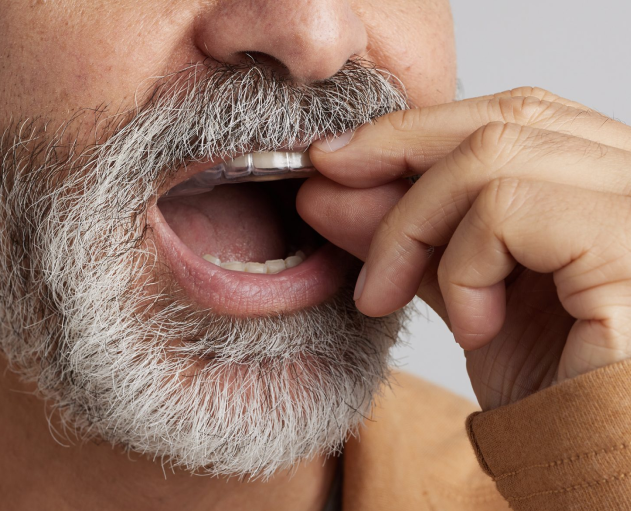
Custom oral appliances offer real relief for sleep apnea, snoring, and jaw pain by addressing root causes and helping you sleep and feel better.
Morning headaches often signal sleep apnea. Learn how disrupted breathing affects blood flow, oxygen, and brain pressure and what treatments can help.
Dr. Grandner explains why insomnia is learned, not stress, and why retraining through CBT-I works better than meds. See how Sleep Reset brings it to real life.
Sign up to receive tips with proven techniques on improving your sleep!